2026 Energy Saving Window Film Guide for NJ Properties
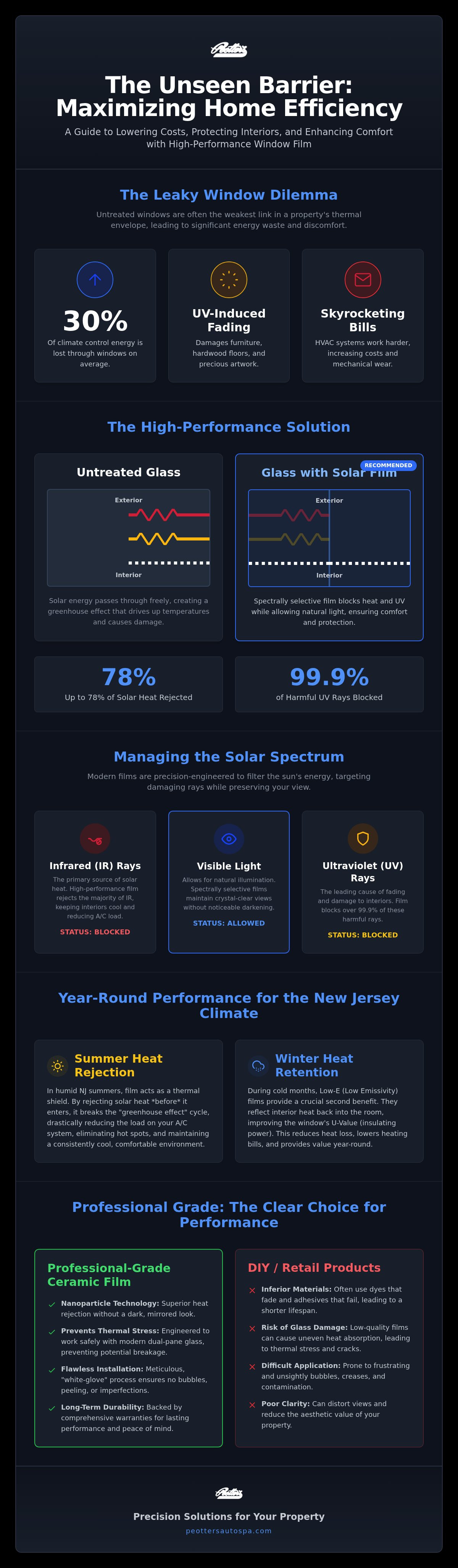
Did you know that nearly 30% of your property's climate control energy is lost through the very windows designed to connect you with the world? For many New Jersey homeowners, the arrival of a humid summer brings the familiar frustration of skyrocketing HVAC bills and the silent damage of UV-induced fading on cherished interiors. You shouldn't have to choose between a comfortable living space and the beautiful views that define your home. Integrating professional energy saving window film allows you to reclaim your environment, creating a sanctuary that remains cool, private, and pristine.
In this 2026 guide, we demonstrate how high-performance solar films reject up to 78% of solar heat while blocking 99% of harmful UV rays. You'll discover the technical superiority of nanoparticle ceramic coatings and learn how to address local New Jersey ordinances with confidence. Our insights ensure you understand the path toward significant energy reduction, preserved interior aesthetics, and a flawless finish that reflects the true value of your investment.
Key Takeaways
- Understand the science of solar spectrum management and how multi-layered coatings regulate internal temperatures without compromising your property's view.
- Learn how high-performance energy saving window film addresses New Jersey's specific humidity and thermal challenges to reduce year-round energy costs.
- Identify the critical differences between retail products and professional-grade ceramic films that prevent thermal stress and potential glass breakage.
- Discover the preservation benefits of blocking 99.9% of UV rays to protect fine artwork, hardwood flooring, and bespoke furniture from solar damage.
- Explore the value of a meticulous, white-glove installation process that enhances both the privacy and the long-term equity of your Springfield property.
The Science of Thermal Control: How Energy Saving Window Film Works
Understanding how window film works begins with appreciating the intricate engineering behind these multi-layered polyester coatings. At Peotter’s Auto Spa, we view these films as precision instruments designed to manage solar energy transfer through architectural glass. Rather than simply darkening a room, modern energy saving window film acts as a sophisticated filter. It’s a solution that selectively manages the solar spectrum, ensuring your property remains an oasis of comfort regardless of the external temperature.
The sun’s energy reaches your windows in three distinct forms: ultraviolet (UV) rays, visible light, and infrared (IR) heat. While visible light allows us to enjoy our surroundings, UV rays cause interior fading and IR heat drives up cooling costs. Advanced spectrally selective technology allows these films to block the majority of heat-carrying IR rays while remaining virtually invisible. This ensures you maintain clarity of view while significantly reducing the thermal load on your home or office.
Infrared Rejection vs. Total Solar Energy Rejection (TSER)
Many property owners focus solely on infrared rejection. This provides that immediate sense of cooling comfort when standing by a window. However, the comprehensive measure of performance is Total Solar Energy Rejection (TSER). This metric accounts for the combined energy from all three parts of the solar spectrum. The 2026-grade films we utilize achieve remarkably high TSER ratings through nanoparticle technology, rejecting up to 78% of solar heat. These microscopic layers reject heat with surgical precision, eliminating the need for the heavy, mirrored aesthetics of older generations. The result is a window that performs like a shield but looks like a crystal-clear pane of glass.
U-Value and Solar Heat Gain Coefficient (SHGC)
To truly optimize your property’s efficiency, you must understand two technical glass ratings: U-Value and Solar Heat Gain Coefficient (SHGC). SHGC measures how much solar radiation enters through the window. A lower number means less heat gain and less strain on your HVAC system. Energy saving window film effectively lowers this coefficient, transforming standard glass into a thermal barrier. Additionally, Low-E (Low Emissivity) coatings are engineered to improve the U-Value, which measures heat loss. During New Jersey’s colder months, these specialized films reflect interior heat back into the room. This dual-action performance ensures your investment provides value through every season, maintaining a stable and luxurious environment year-round.
Optimizing for the New Jersey Climate: Summer Heat and Winter Retention
New Jersey properties face a unique set of atmospheric challenges. From the dense humidity of Union County to the biting winds of a Springfield winter, your windows are under constant siege. Standard glass is often the weakest link in a building's thermal envelope, allowing energy to leak out while unwanted heat pours in. By installing energy saving window film, you transform these vulnerable surfaces into resilient barriers that adapt to the shifting seasons. This isn't just a summer fix; it's a permanent upgrade that protects your interiors, reduces your overhead, and elevates your comfort.
The "greenhouse effect" is particularly aggressive in our region during the peak of summer. Sunlight enters, strikes interior surfaces, and converts to radiant heat that becomes trapped indoors. This cycle forces air conditioning units to run frequent, heavy cycles, leading to premature mechanical wear and inflated utility costs. Professional films break this cycle by rejecting heat before it ever crosses the threshold, preserving the life of your HVAC system and maintaining a serene interior atmosphere even on the most humid July afternoons.
Managing Summer Cooling Loads in Springfield
South-facing rooms and sun-drenched offices often become unusable during midday hours without extreme cooling measures. In a typical commercial storefront, the temperature difference between treated and untreated glass is immediately noticeable. Untreated panes allow heat to radiate deep into the workspace, while treated glass maintains a consistent, comfortable temperature. This precision control eliminates hot spots and ensures that every corner of your property remains inviting. It's about creating a predictable, premium environment for your family or your clientele through meticulous thermal management.
Bridging the Winter Insulation Gap
Winter brings a different set of demands as heat naturally seeks the cold. It escapes through glass with ease, creating uncomfortable drafts and cold zones that make large windows feel like a liability. Advanced energy saving window film acts as a thermal mirror. It reflects interior radiant heat back into your living space, effectively mimicking the performance of triple-pane glass at a fraction of the replacement cost. This year-round ROI makes film a logical investment for the conscientious property owner. You'll enjoy a warmer home in February and a cooler one in July, all while protecting your property's long-term value. If you're ready to enhance your property's resilience, exploring professional window tint options is the first step toward total climate control.
Professional Installation vs. DIY: The True Cost of Performance
While the allure of a weekend DIY project is understandable, the application of high-performance energy saving window film requires a level of precision that retail kits simply cannot match. Architectural glass is a sensitive material. Without a deep understanding of glass types and thermal absorption rates, an amateur installation can lead to catastrophic thermal stress. When a film absorbs too much heat for the specific glass it covers, the resulting expansion can cause the pane to crack or shatter. Our specialists evaluate your glass composition first, ensuring the treatment enhances your property rather than compromising its structural integrity.
The visual difference between a professional application and a retail "sticker" is immediate and profound. Many DIY films suffer from the "Orange Peel" effect, a textured distortion that blurs your view and diminishes your property's curb appeal. This occurs when inferior adhesives and thin polyester layers fail to bond perfectly with the glass. In contrast, professional-grade films utilize optically clear adhesives and advanced ceramic layers. This meticulous combination provides absolute clarity, long-term resilience, and a finish that is indistinguishable from the glass itself.
Precision Fit and Edge-to-Edge Protection
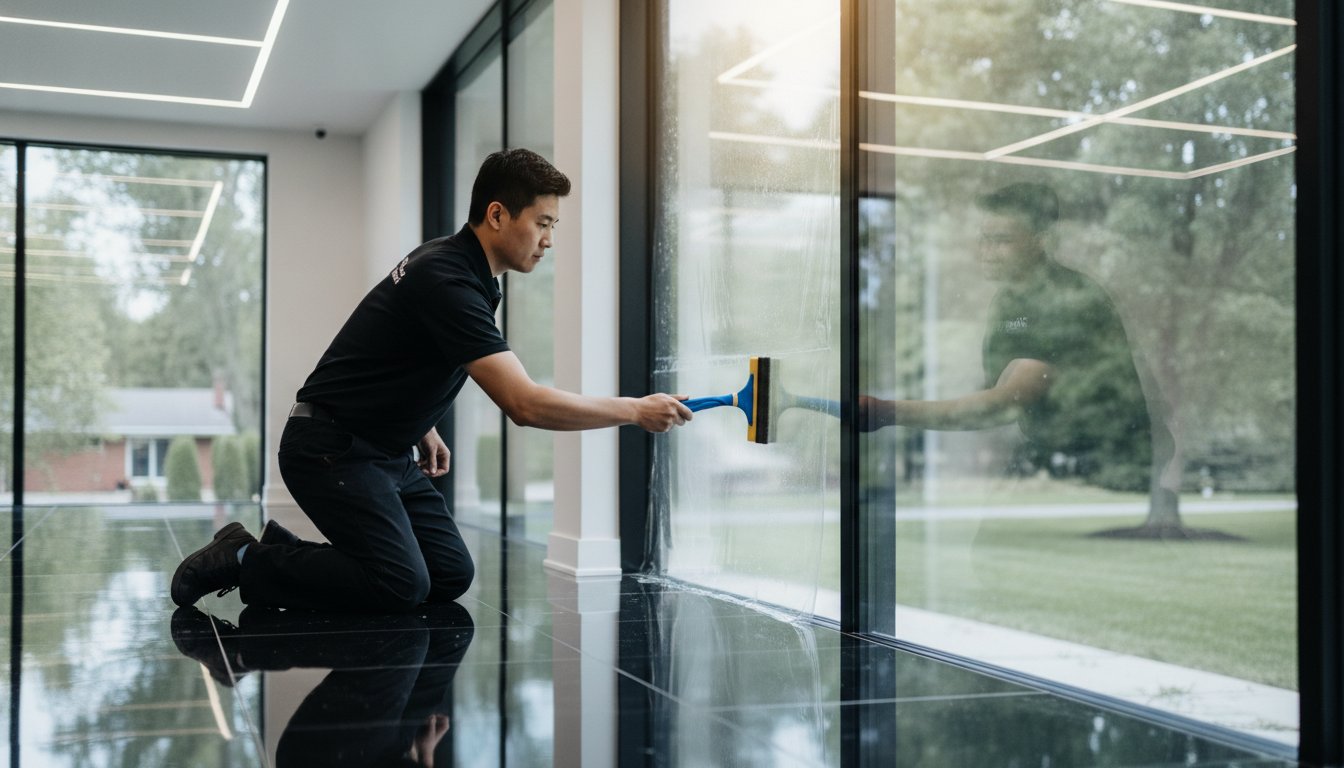
Achieving a flawless result requires a controlled environment and a master’s touch. Even a single speck of dust trapped beneath the film can create an unsightly bubble that grows over time. Our technicians utilize specialized tools and a "white-glove" cleaning process to ensure the glass is surgically clean before the film is applied. This attention to detail is vital for complex window shapes and large commercial panes where seams must be invisible. By eliminating light gaps and ensuring perfect edge-to-edge coverage, we maximize the thermal performance of every square inch of your windows.
The Long-Term Value Proposition
Investing in professional installation is an investment in the longevity of your property. DIY films often begin to bubble, purple, or peel within 2 to 3 years, necessitating a difficult and messy removal process. Professional energy saving window film is engineered for decades of performance, backed by lifetime residential warranties or comprehensive commercial guarantees. For business owners, this level of quality is essential. Integrating professional commercial window tinting nj adds measurable value to your assets by protecting interiors and lowering overhead. At Peotter’s Auto Spa, we've built our reputation on this standard of craftsmanship since 1994, providing the peace of mind that comes from three decades of elite service.
Beyond Energy Savings: UV Protection, Privacy, and Glare Reduction
While the thermal efficiency of energy saving window film is often the primary motivation for installation, its secondary benefits are equally transformative for a high-end property. Total environmental management involves more than just temperature control; it requires a shield against the subtle, persistent threats that degrade your living space over time. By integrating professional solar films, you address the invisible spectrum of light that compromises both your physical comfort and the longevity of your interior assets. It’s an investment in the long-term preservation of your sanctuary.
Glare is a frequent disruption in modern home offices and commercial workspaces. Harsh sunlight striking screens creates eye strain and reduces productivity, often forcing occupants to close blinds and lose their connection to the outdoors. Advanced films mitigate this by diffusing intense light while maintaining the clarity of your view. You gain the ability to work and relax in natural light without the annoying reflections that typically accompany sun-drenched rooms. This aesthetic flexibility allows you to choose between clear, neutral, or privacy-enhancing finishes that complement your architectural style.
The Invisible Shield: Protecting Interior Assets
The sun’s ultraviolet rays are the primary catalyst for the fading of luxury materials. Hardwood flooring, rare artwork, and custom upholstery all suffer irreversible damage when exposed to untreated glass. Our films block 99.9% of these harmful UV rays, acting as a permanent sunblock for your home. Many of our clients who appreciate the "showroom quality" provided by paint protection film on their vehicles recognize the same need for their residential interiors. Protecting your property's interior design requires the same meticulous attention to detail and elite-level technology to ensure your investments remain pristine for decades.
Enhancing Privacy and Security
Privacy is a cornerstone of property value, especially in densely populated areas of New Jersey. Daytime privacy solutions allow you to enjoy unobstructed views of the outdoors while preventing passersby from looking into your private spaces. Beyond visual discretion, these films offer a significant security advantage. In the event of a break-in or a severe storm, the resilient polyester layers help hold glass shards together, reducing the risk of injury and preventing easy entry. This dual-layer of protection ensures your environment remains secure, private, and filled with natural light. If you are ready to elevate your property's protection, we invite you to schedule a consultation with our specialist team today.
The Peotter’s Path: Custom Energy Solutions in Springfield, NJ
The Peotter’s Path is defined by a commitment to excellence that transcends standard installation. We believe that every property possesses unique architectural nuances that require a tailored approach. Rather than offering a one-size-fits-all product, we provide a curated glass assessment to determine the specific thermal needs of your space. Choosing the right energy saving window film is a consultative process where we match advanced film technology to your building’s orientation, glass type, and aesthetic goals. This ensures that the final result is not just functional, but a seamless enhancement of your property’s design.
Our presence in Springfield and the broader Union County area allows us to provide a level of responsiveness that distant contractors cannot replicate. Since 1994, we’ve functioned as a trusted advisor to local residents, offering long-term support and expert maintenance. This local expertise is vital for navigating regional climate patterns and ensuring that your installation remains flawless for decades. We view ourselves as guardians of your property’s value, applying the same meticulous standards to your windows that we apply to the most valuable vehicles in our care.
A Boutique Experience for Every Property
We have built our reputation on a "white-glove" service model that prioritizes quality over volume. This boutique philosophy is rooted in our history of expert paint correction, where an obsessive attention to detail is the only acceptable standard. We bring that same level of precision to architectural glass. Our technicians are trained to be meticulous, attentive, and uncompromising in their pursuit of a perfect finish. When you choose Peotter’s Auto Spa, you’re choosing a legacy of craftsmanship that’s been refined over three decades of elite service.
Start Your Energy Transformation Today
Beginning your journey toward a more efficient property is straightforward and professional. During our initial consultation, we perform a comprehensive thermal audit to identify the areas where your energy loss is most significant. We then present a customized plan for energy saving window film that addresses your specific pain points, from glare reduction to heat rejection. Our installation process is designed to be steady, logical, and minimally disruptive to your daily operations or home life. We handle every detail with the care of a dedicated specialist, ensuring a transformed result that pays dividends in comfort and savings. Contact Peotter's Auto Spa for a custom window film quote today.
Secure Your Property’s Future with Precision Climate Control
Transforming your windows into high-performance thermal barriers is a definitive step toward long-term property preservation. Throughout this guide, we've explored how advanced energy saving window film rejects intense summer heat while retaining interior warmth during the coldest New Jersey winters. This precision upgrade does more than lower utility costs; it safeguards your fine artwork, custom upholstery, and hardwood floors from the persistent damage of UV exposure. You don't have to sacrifice the clarity of your view to achieve a private and energy-efficient environment.
As specialists in luxury architectural and automotive film since 1994, Peotter’s Auto Spa brings a meticulous, white-glove approach to every Springfield property. Our family-owned and operated team focuses on high-end surface preservation, ensuring a flawless finish that reflects the true value of your investment. We invite you to experience the peace of mind that comes from working with dedicated master craftsmen who view your property with the same care as you do. Schedule Your Professional Window Film Consultation in Springfield. Take the first step toward a more resilient and refined environment today.
Expert Insights: Frequently Asked Questions
Does energy saving window film really work on double-pane windows?
Yes, energy saving window film is highly effective on double-pane glass. It reflects solar energy away before it can pass through the outer pane and become trapped in the air gap. This reduces the thermal load on the entire window unit, preventing the greenhouse effect and significantly lowering your cooling requirements while protecting the seals from excessive heat stress.
Will window film make my home too dark during the day?
No, advanced spectrally selective films are designed to be virtually invisible to the naked eye. These 2026-grade materials block heat-carrying infrared rays and damaging UV light while allowing maximum visible light to pass through. You can achieve significant thermal protection and comfort without sacrificing the natural brightness or the crystal-clear views of your Springfield property.
How long does professional energy saving window film last?
Professional-grade films typically last 15 to 20 years or longer when installed by skilled technicians. Because we utilize elite materials and precision application techniques, many residential installations are backed by lifetime warranties. This long-term durability far exceeds retail alternatives, ensuring your investment in protection and energy efficiency remains resilient and effective for decades to come.
Can window film cause my glass to crack or break?
Glass breakage is extremely rare when the film is professionally matched to the specific glass type. Our specialists conduct a meticulous assessment of your windows to ensure the film's heat absorption rate is compatible with your glass composition. This authoritative approach eliminates the risks of thermal stress that can occur with improper, unverified DIY applications on sensitive architectural glass.
Is it better to replace my windows or just add energy saving film?
Adding high-performance film is often a superior choice if your window frames are structurally sound. Film provides a much faster return on investment by delivering similar thermal benefits to triple-pane glass at a fraction of the total cost. It's a non-invasive preservation method that enhances your existing glass without the waste, disruption, or high expense of a full replacement.
How do I clean my windows after the film has been installed?
You should clean treated windows with a soft microfiber cloth and a mild, ammonia-free soap solution. It's essential to wait at least 30 days after the installation process to allow the adhesive system to fully cure and bond. Avoiding abrasive tools and harsh chemicals ensures the film’s protective topcoat remains flawless, clear, and high-performing for its entire lifespan.
Are there NJ state tax credits or rebates for installing energy saving film in 2026?
As of 2026, property owners should consult a tax professional regarding the federal Energy Efficient Home Improvement Credit. While some sources indicate a 30% credit up to $600 for qualifying window films through 2032, availability can be subject to regulatory changes. We recommend checking with local New Jersey utility providers for specific regional rebates that may further offset your professional installation costs.
Does the film go on the inside or the outside of the window?
Most energy saving window film is applied to the interior side of the glass to protect the material from environmental wear. This internal application ensures maximum longevity and prevents damage from wind-blown debris or extreme New Jersey weather patterns. However, specialized exterior films are available for specific architectural glass types where interior access is restricted or thermal requirements dictate an external barrier.