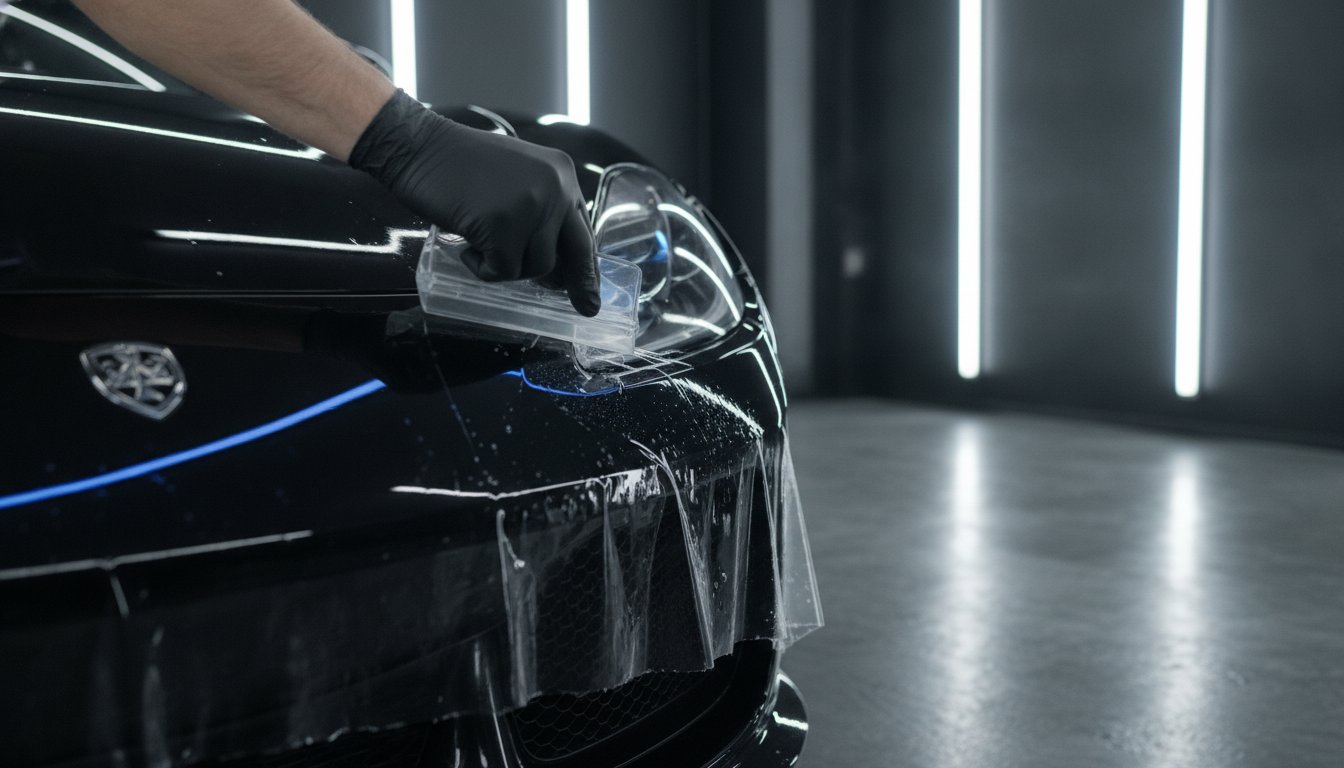
Stone Chip Protection Film: The Ultimate Guide to Preserving Your Vehicle's Finish in 2026
Have you ever felt that sudden, sharp pang of anxiety while merging onto the Garden State Parkway, knowing that a single piece of high-velocity road debris could permanently mar your vehicle’s pristine hood? It is a common concern for New Jersey drivers who view their cars as significant investments rather than simple transportation. You might find yourself caught between the technical jargon of ceramic coatings, "clear bras," and modern paint protection, wondering if the film you choose today will yellow or peel by next summer.
We understand that maintaining a flawless, resilient, and enduring finish requires more than just basic care; it demands a meticulous approach to preservation. This guide will show you how advanced stone chip protection film safeguards your luxury vehicle from local road hazards while maintaining a showroom shine that often looks better than the day it left the dealership. You'll discover the latest 2026 innovations in self-healing technology, learn to distinguish between various protection tiers, and gain the total peace of mind that comes from knowing your investment is shielded by elite craftsmanship. Let's explore how to maintain your vehicle's maximum resale value through professional-grade engineering and uncompromising standards.
Key Takeaways
- Understand why modern, water-based automotive paints are increasingly susceptible to damage and why a high-impact sacrificial layer is now a necessary engineering correction.
- Discover the multi-layer technology of stone chip protection film, including the self-healing top coat that eliminates swirl marks and preserves a flawless gloss.
- Evaluate the most effective coverage options for your specific vehicle, from targeted high-impact zone protection to comprehensive full-body wraps.
- Learn the specialized maintenance and washing techniques required to ensure your film remains transparent and resilient for its full seven-to-ten-year lifespan.
- Recognize why a laboratory-grade installation environment and custom-trimmed edges are the hallmarks of a truly invisible, "white-glove" finish.
The Science of Impact: Why Modern Paint Needs Stone Chip Protection
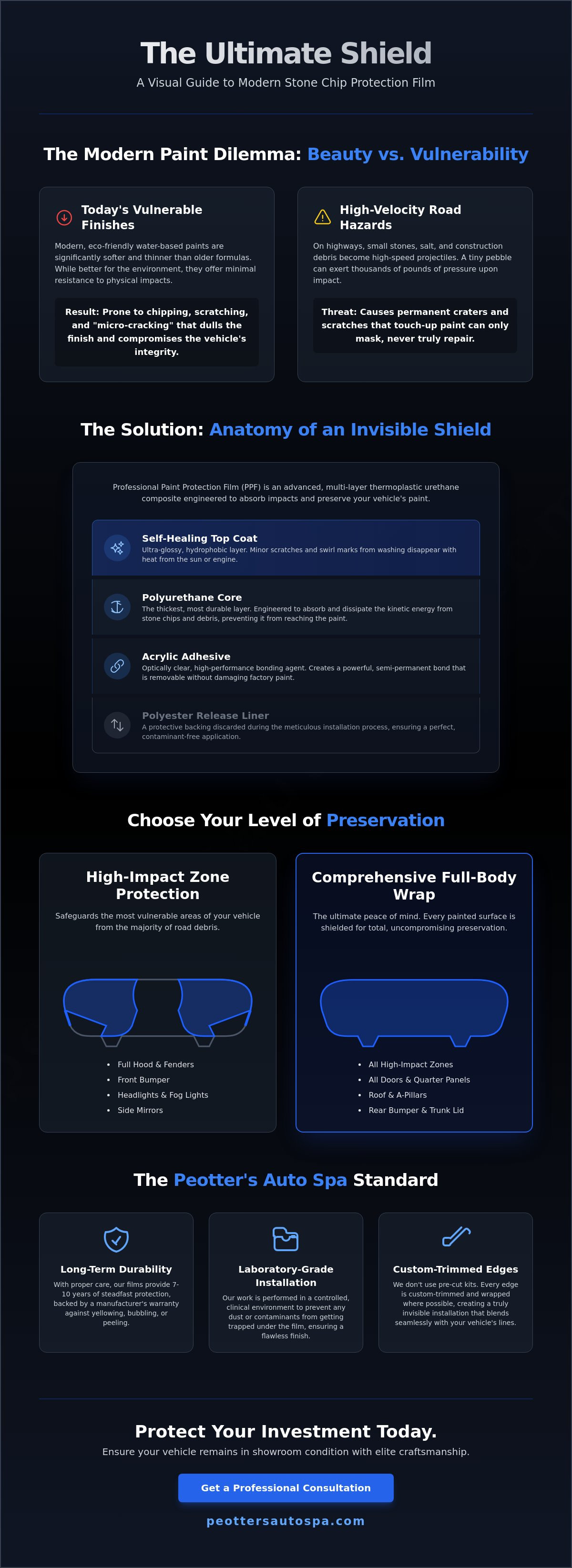
The finish on a modern luxury vehicle is an exquisite work of art, yet it's surprisingly delicate. Professional stone chip protection film is a high-impact thermoplastic urethane layer that serves as a transparent shield against the harsh realities of the road. While earlier generations of automotive coatings relied on high-VOC and lead-based formulas that were thick and durable, the industry has shifted toward eco-friendly, water-based finishes. This evolution in Paint Protection Film technology was necessitated by these thinner, softer factory paints that lack the inherent hardness of their predecessors. These modern surfaces require a specialized approach to maintain their showroom depth and clarity.
When you're cruising at 65 mph on the Garden State Parkway, a tiny pebble becomes a high-velocity projectile. The physics are unforgiving; a small stone can exert thousands of pounds of pressure upon impact. In New Jersey, this risk is compounded by seasonal road salt, heavy traffic, and constant construction debris. Without a resilient barrier, these impacts don't just scratch the surface; they compromise the paint's structural integrity. It isn't just about aesthetics; it's about preventing the physical degradation of your car's exterior panels from the moment you leave the dealership.
The Vulnerability of Modern Factory Finishes
Environmental regulations have fundamentally changed how cars are painted. Modern water-based paints are designed to be sustainable, but this often results in a finish that's significantly softer and more prone to chipping. Before a visible crater appears, many vehicles suffer from a "micro-cracking" effect where the impact energy creates tiny fissures in the clear coat. Standard factory clear coats are designed for UV protection and gloss; they offer virtually zero resistance against physical projectiles. This leaves your vehicle's hood and fenders exposed to a slow, cumulative degradation that dulls the finish and lowers your long-term resale value.
Sacrificial Layers vs. Permanent Damage
A professional installation creates a dedicated sacrificial barrier that manages kinetic energy. Instead of the stone's force transferring directly into the paint, the urethane film absorbs the impact, dissipates the energy, and prevents the underlying substrate from fracturing. Many owners mistakenly believe that touch-up paint is a viable solution, but these pens only mask the damage without restoring the car's original smoothness or structural protection. Preventing the damage is a far more sophisticated and cost-effective strategy than repainting a luxury panel, which rarely matches the factory's depth and texture. By choosing a high-quality stone chip protection film, you're investing in the meticulous preservation of your vehicle's soul.
How It Works: The Multi-Layer Technology of Professional PPF
Professional grade stone chip protection film is far more than a simple sheet of plastic. It's a sophisticated, multi-layered composite designed to provide an invisible armor for your vehicle's most vulnerable surfaces. Each layer serves a specific, technical purpose in the preservation process, ensuring that your car remains as flawless as the day it left the showroom. This advanced engineering is what separates elite protection from basic vinyl wraps.
The architecture of a professional film typically consists of four specialized components:
- Polyester Release Liner: This bottom layer protects the adhesive surface and is discarded during the installation process.
- Acrylic Adhesive: A high-performance, optically clear bonding agent that ensures the film stays permanently attached without ever compromising the factory paint.
- Polyurethane Core: The thickest part of the film, engineered to absorb and dissipate the kinetic energy from road debris.
- Clear Coat Top Layer: An ultra-glossy surface that provides chemical resistance, hydrophobic properties, and the essential self-healing mechanism.
The specialized adhesive is a critical element of the "white-glove" experience. It's engineered to create a powerful bond that resists high-speed wind resistance and pressure washing, yet it remains flexible enough for safe removal years later. This ensures that the film never lifts or bubbles, maintaining a seamless look that mimics the factory clear coat. The top layer further enhances this by resisting stains from bird droppings, road tar, and tree sap, which would otherwise etch into unprotected paint.
The Magic of Self-Healing Polymers
The most impressive feature of modern stone chip protection film is its ability to repair itself. The urethane molecules possess a "memory" that allows them to return to their original, flat state after being disturbed by light abrasions. While deep punctures from heavy debris may remain, common swirl marks from improper washing or environmental contact simply vanish. Self-healing occurs when the film's top layer reaches approximately 120 degrees Fahrenheit. This transition can be triggered naturally by sunlight or more quickly with a splash of warm water, keeping the finish looking brand new without any polishing required.
Optical Clarity and UV Resistance
Lesser films often suffer from an "orange peel" texture that distorts the paint's natural reflection and depth. Premium films are engineered for maximum optical clarity, ensuring that the protection is entirely undetectable to the naked eye. These professional solutions also incorporate powerful UV inhibitors that prevent the film from yellowing over time and shield the underlying paint from fading. If you're ready to see how this technology can transform your car's resilience, a visit to Peotter's Auto Spa can provide a customized assessment for your specific model. This commitment to non-yellowing performance is the hallmark of a truly elite installation.
Choosing Your Coverage: Full Front vs. Full Body Protection
Selecting the appropriate level of coverage for your vehicle is a strategic decision that balances your driving habits with the specific vulnerabilities of your car's design. While the technology behind stone chip protection film provides a robust barrier, its effectiveness is maximized when applied to the areas most susceptible to high-velocity impacts. Aerodynamics play a significant role here; the way air flows over your vehicle dictates where road debris is most likely to strike. For instance, vehicles with a low profile and flat front, such as many Tesla models, or those with flared rear haunches like a Porsche 911, have unique "hot spots" that require specialized attention to prevent premature wear.
Most enthusiasts choose between three primary tiers of protection. A "Partial Front" package typically covers the leading edge of the hood and fenders, while a "Full Front" installation envelopes the entire hood, bumper, mirrors, and front fenders. The latter is often preferred for luxury vehicles because it eliminates visible seams across the mid-section of the hood, providing a truly invisible finish. For those seeking the ultimate in preservation, a "Full Body" wrap ensures that every painted surface, from the roof to the trunk, remains shielded from environmental fallout and parking lot mishaps.
The Essential 'NJ Commuter' Package
Driving on I-78 or the Garden State Parkway presents a unique set of challenges that make certain coverage areas non-negotiable. The "leading edges"—where air and debris first make contact—suffer the most frequent abuse. In Springfield and surrounding New Jersey areas, seasonal road salt and construction gravel create a "sandblasting" effect that can quickly dull a factory finish. Protecting the rocker panels is particularly vital in this region, as these lower sections are constantly bombarded by debris kicked up by your own tires during winter commutes. This targeted approach ensures that the most vulnerable zones receive the highest level of reinforcement.
Stealth vs. Gloss: Aesthetic Choices
Beyond pure protection, stone chip protection film offers a sophisticated way to customize your vehicle's appearance. You can maintain your factory look with a high-gloss film that is virtually undetectable when tucked and trimmed by a master craftsman. Alternatively, many owners opt for a "stealth" or satin-finish film, which can transform a standard glossy paint job into a deep, frozen aesthetic without the permanence or maintenance headaches of a custom paint shop. This allows you to achieve a modern, matte look while adding a layer of durability that is far superior to traditional vinyl wraps. It's a perfect solution for protecting sensitive matte factory paints, which cannot be buffed or polished if they become scratched.
Longevity and Care: Protecting Your Investment for the Long Haul
Investing in a professional installation is a commitment to your vehicle's future, but the endurance of that shield depends on proper stewardship. While a high-tier stone chip protection film typically offers a realistic lifespan of 7 to 10 years, it is far from a "set it and forget it" solution. To maintain the clarity, gloss, and protective properties of the urethane, you must adopt a curated maintenance routine. This proactive approach ensures that the film remains supple and continues to heal itself from the minor abrasions of daily driving. Neglecting this care can lead to premature aging, which manifests as a loss of gloss or slight lifting at the edges where debris begins to accumulate.
The most effective strategy for long-term preservation involves a multi-layered defense. When you integrate PPF and ceramic coating, you create a synergistic barrier that makes cleaning significantly easier. The hydrophobic properties of the ceramic layer prevent environmental contaminants from bonding to the film, reducing the physical friction required during washing. This combination is the gold standard for New Jersey enthusiasts who want a finish that stays cleaner for longer while benefiting from the physical impact resistance of the film.
The Do's and Don'ts of PPF Maintenance
Precision care starts with your washing technique. If you use a pressure washer, keep the nozzle at least 24 inches away from the film's edges to prevent the high-pressure water from undermining the adhesive. You should also strictly avoid petroleum-based waxes and harsh degreasers; these chemicals can dry out the urethane and cause it to lose its self-healing capabilities. Instead, we recommend using a dedicated sealant designed for film. These products keep the material hydrated, UV-resistant, and aesthetically perfect, ensuring the surface remains as slick as the day it was applied.
Safe Removal and Paint Health
There's a common fear among owners that removing a film might damage the underlying finish. In reality, a professional removal process uses controlled heat and specialized techniques to leave the original factory paint in pristine condition. High-quality stone chip protection film actually preserves the original clear coat for a decade by shielding it from oxidation and physical wear. The rare instances of "paint pulling" are almost exclusively linked to poor-quality aftermarket repaints or the use of cheap, non-breathable films. When you're ready to experience this level of uncompromising preservation, you can explore our elite protection packages to find the right solution for your vehicle. By choosing a master craftsman for the installation at Peotter's Auto Spa, you ensure that the removal process remains just as safe and seamless as the initial application.
Precision Installation: The Peotter's Auto Spa Standard in Springfield
The technical sophistication of a stone chip protection film is only as effective as the environment in which it is applied. At Peotter's Auto Spa, we treat every installation as a meticulous operation conducted within a laboratory-grade setting. Our Springfield facility utilizes strict humidity controls and advanced air filtration systems to eliminate the risk of environmental contamination. Without these safeguards, microscopic dust particles can become trapped beneath the urethane, leading to "silvering" or small bubbles that disrupt the glass-like clarity of the finish. This controlled atmosphere is the foundation of our white-glove service, ensuring that the bond between the film and your paint is absolutely flawless.
A significant distinction in our process is the choice between standard pre-cut kits and custom "bulk" installations. While many high-volume shops rely on computer-generated templates that leave small, unprotected gaps around badges and panel edges, we favor a custom approach. Our master craftsmen hand-trim the film with surgical precision, allowing for a "tucked edge" finish. This technique wraps the film around the back of the panels, making the protection entirely undetectable to the naked eye. It provides a seamless aesthetic that mirrors factory paint while offering comprehensive coverage that won't lift or catch during routine maintenance.
The Meticulous Preparation Process
A truly invisible installation begins long before the film touches the vehicle. We perform an exhaustive decontamination sequence that includes a thorough hand wash, clay bar treatment, and the removal of all iron deposits. Because the film acts as a magnifying glass for the surface beneath, paint correction in Union County is a mandatory precursor to our application process. Every swirl mark or minor imperfection must be polished away to ensure the underlying finish is pristine. This level of preparation ensures the stone chip protection film adheres perfectly, resulting in a deep, vibrant gloss that looks better than the day the vehicle left the showroom.
Why Springfield Luxury Owners Trust Us
Our legacy of automotive excellence in Springfield dates back to 1994, built on a foundation of precision and trust. As a family-owned and operated boutique, we view ourselves as the dedicated guardians of your vehicle's value. We don't believe in generic solutions; instead, we take a consultative approach to help you select a protection package that aligns with your driving habits and aesthetic goals. Whether you're shielding a high-performance exotic or a luxury daily driver, we provide the expert-level skill required to preserve your investment. We invite you to Contact Peotter's Auto Spa today for a custom protection consultation and experience the peace of mind that comes from uncompromising craftsmanship.
Elevate Your Vehicle’s Resilience and Aesthetic Legacy
Modern automotive paint is more vulnerable than ever, making advanced stone chip protection film a necessary investment for the discerning owner. We've explored how self-healing polymers and multi-layer technology create a sacrificial barrier that preserves your car's soul against the harsh New Jersey elements. Choosing the right coverage and ensuring a laboratory-grade installation are the final steps in achieving a finish that remains flawless for a decade or more. You've seen that the secret to an invisible shield lies in the meticulous preparation and the "white-glove" application techniques that only a true specialist can provide.
At Peotter’s Auto Spa, we combine technical mastery with a genuine passion for automotive excellence. As a family-owned and operated specialist since 1994, our Certified Master Installers understand the unique requirements of high-end luxury and exotic brands. We don't just apply film; we provide a concierge-level preservation service that guards your vehicle’s resale value and aesthetic perfection. Secure Your Vehicle's Future with a Custom PPF Consultation. Your car is a significant investment, and it deserves the meticulous care of dedicated craftsmen who view every panel as a work of art.
Frequently Asked Questions
Is stone chip protection film the same as a clear bra?
Yes, "clear bra" is a common industry term for stone chip protection film. While the terminology has evolved over the years, both refer to the transparent urethane layer applied to high-impact areas. Modern films are significantly more advanced than the thick, yellowing versions from decades ago, offering superior clarity and self-healing properties that the original clear bras lacked.
Can you see the edges of the film once it's installed?
No, you shouldn't see the edges if the film is installed using our custom bulk technique. We meticulously tuck the film behind panel edges and around badges to ensure a seamless, invisible appearance. Unlike standard pre-cut kits that often stop short of the panel's end, our method creates a finish that is indistinguishable from the factory paint.
Will the film yellow or crack over time in the NJ sun?
No, professional-grade films are engineered with advanced UV inhibitors to prevent yellowing, cracking, or losing their transparency. High-tier films used in our Springfield shop are designed to withstand the varying temperatures of the New Jersey climate for up to a decade. This long-term resilience ensures your vehicle maintains its showroom shine without the degradation seen in lower-quality products.
How long does the installation process take at your Springfield shop?
A professional installation typically takes between two and five business days, depending on the coverage level selected. This timeframe allows for a meticulous preparation process, including the mandatory paint correction and decontamination stages. We prioritize precision over speed to ensure the adhesive cures correctly and every edge is perfectly tucked for an elite, white-glove result.
Can I wash my car normally after getting stone chip protection?
Yes, you can wash your car normally, though we recommend using a two-bucket hand wash method for the best results. It's important to avoid high-pressure sprayers directly against the film's edges and to stay away from petroleum-based waxes. Using specialized soaps and sealants will keep the stone chip protection film hydrated and enhance its self-healing capabilities over time.
What happens if a rock actually punctures the film?
If a projectile is sharp enough to puncture the film, the sacrificial layer has successfully absorbed the energy that would have otherwise shattered your paint. In most cases, the damage is contained within the film itself, leaving the underlying clear coat intact. While the film may eventually need to be replaced on that specific panel, your factory finish remains protected and preserved.
Is it worth putting stone chip film on a leased vehicle?
Yes, applying stone chip protection film to a leased vehicle is a strategic choice to avoid costly "excessive wear and tear" penalties. New Jersey roads are notorious for debris that can cause significant paint damage over a typical three-year lease. By returning the car with a pristine finish, you ensure a smooth lease-end inspection and protect yourself from unexpected repair fees.
Can I apply ceramic coating over the protection film?
Yes, applying a ceramic coating over your film is highly recommended for the ultimate ease of maintenance. This combination creates a hydrophobic surface that repels water, dirt, and road salt, making your routine washes much faster. The coating adds an extra layer of chemical resistance and gloss without interfering with the film's essential self-healing polymer structure.