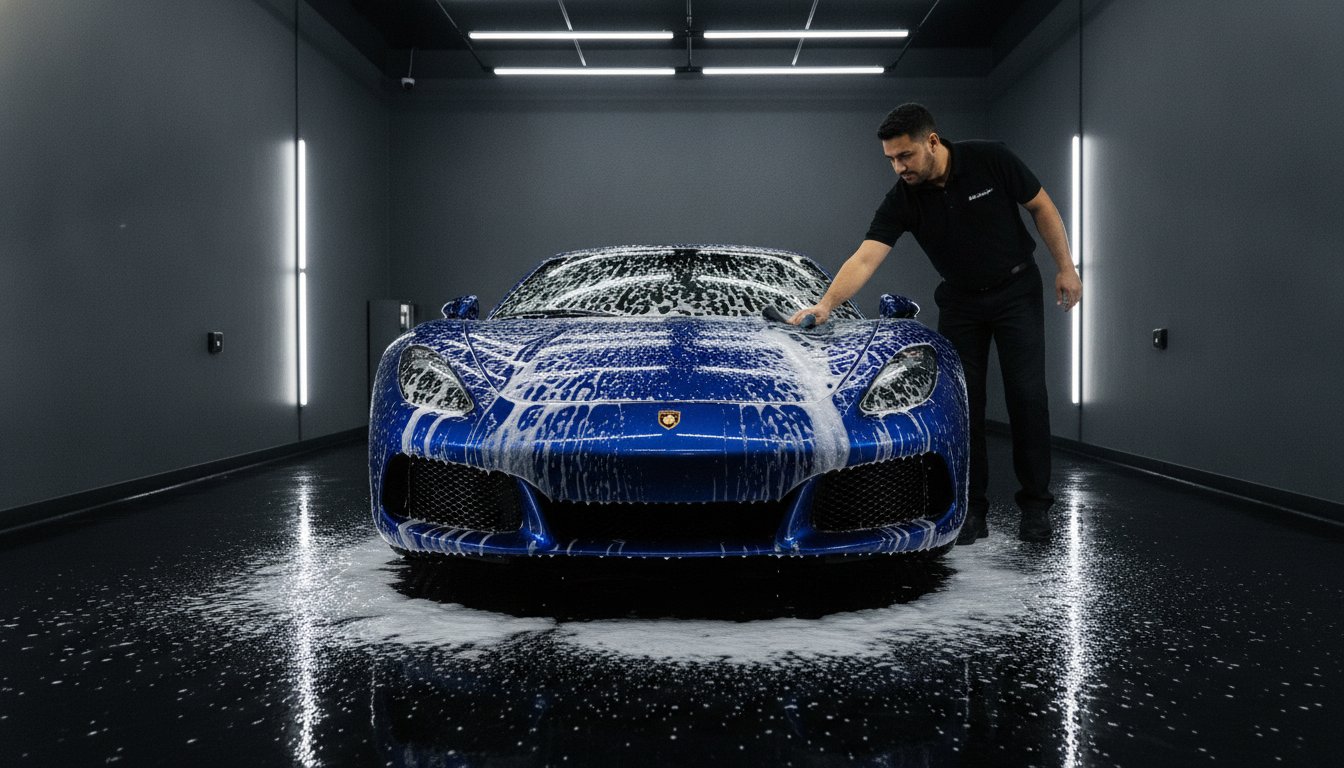
The Meticulous Guide: How to Wash a Car with PPF Without Risking Your Investment
Your paint protection film isn't just a static shield; it's a sophisticated, self-healing skin that requires a specific preservation ritual to remain truly invisible. You've made a significant investment to protect your vehicle from New Jersey's harsh road salts, abrasive pollen, and acidic bird droppings. It's completely natural to feel a sense of trepidation when it's time for a cleaning. You likely worry about lifting a precision-tucked edge with a pressure washer or accidentally clouding that high-gloss finish with the wrong chemical. Understanding how to wash a car with ppf is the difference between maintaining a flawless aesthetic and facing a costly re-application.
We understand that your vehicle is more than transportation; it's a valuable asset that deserves elite care. This guide will transform your maintenance anxiety into professional confidence. You'll master the white-glove techniques required to keep your film clear, resilient, and perfectly bonded to the paint. We will walk through the essential pH-neutral chemistry, the specialized two-bucket method that reduces swirl marks by approximately 70 percent, and the exact physical movements that protect the film's delicate edges. By the end, you'll have the knowledge to preserve your car's showroom brilliance for years to come.
Key Takeaways
- Observe the critical seven-day curing window after installation to allow the adhesive bond to reach peak strength before any physical contact.
- Learn the professional ritual of how to wash a car with ppf using foam baths and the two-bucket method to eliminate grit without risking surface swirls.
- Neutralize the harsh effects of New Jersey’s seasonal elements by removing corrosive road salts and acidic pollen before they can etch into the film’s pores.
- Protect the film’s self-healing properties by avoiding forbidden petroleum-based chemicals and utilizing only premium, high-GSM microfiber towels.
- Enhance long-term durability through annual professional inspections and decontamination washes that remove deeply embedded industrial fallout.
The Critical Curing Period: Protecting Your PPF in the First Week
The moment you drive your vehicle away from the studio, a microscopic chemical transition is already underway beneath the surface of the film. While the finish looks radiant and complete, the installation is technically still in progress. This is known as the curing phase. It's the essential window of time when the adhesive bond reaches its maximum strength, evolving from a floating membrane into a permanent, resilient shield. During this delicate interval, learning how to wash a car with ppf begins with a single, vital command: don't. We advocate for a strict 7-day "no-touch" rule to ensure the film's integrity remains uncompromised.
The primary risk during this first week is edge lifting. High-pressure water from a garden hose or a pressure washer can easily find its way under a corner that hasn't fully set. Once water or air enters that gap, the adhesive bond is broken, often requiring a professional touch-up or a partial re-application. In New Jersey, our local climate adds another layer of complexity. High humidity levels, especially during the summer months, can significantly slow the drying time of the moisture trapped under the film. If the air is heavy with water, the slip-solution used during installation takes longer to evaporate. This means your film might stay in a "soft" state for longer than it would in a more arid environment.
The Science of the Adhesive Bond
The transition from a liquid-aided application to a hardened anchor is what defines the long-term durability of your protection. To understand the material better, it helps to look at What is Paint Protection Film? It's a multi-layered urethane that relies on a pressure-sensitive adhesive. Curing is the evaporation of installation slip-solutions to secure the film's anchor. If the film is exposed to extreme heat or excessive water before this process is complete, you risk "bubbling." These small pockets of trapped moisture can cloud the film's clarity and prevent a flawless bond from forming.
Safe Spot Cleaning Procedures
While you should avoid a full wash, certain environmental contaminants like bird droppings or tree sap cannot wait seven days. These acidic substances can etch into the film if left for too long. If you face an emergency in the first 48 hours, use distilled water and a high-GSM microfiber towel to gently blot the area. You must avoid the edges of the film entirely during this localized cleaning. Friction near an unset edge is the fastest way to cause a peel. If you notice a lifting corner or a persistent bubble that doesn't seem to settle, contact Peotter's Auto Spa for a professional assessment. Our master craftsmen can safely secure the film before the defect becomes permanent, maintaining the "white-glove" standard of your investment.
The Professional PPF Wash Checklist: A Step-by-Step Ritual
Once the curing period concludes, your maintenance routine evolves into a preservation ritual. Mastering how to wash a car with ppf requires a departure from standard detailing habits. The goal is to minimize physical contact, ensuring that the film's self-healing top coat remains unmarred and crystal clear. Many automotive enthusiasts often wonder Is PPF Worth It? given the specific care required, but the answer is evident in the sustained showroom brilliance. The ritual begins with a generous pre-wash foam bath. By blanketing the vehicle in pH-neutral snow foam, you encapsulate abrasive surface grit and allow it to dwell, safely lifting contaminants before any wash mitt touches the surface.
Mastering the Pressure Washer
A pressure washer is a powerful tool, yet it can be a liability if used without precision. High PSI levels possess enough force to "inject" water beneath the film’s seams, leading to unsightly lifting or adhesive failure. We recommend maintaining a minimum distance of 12 inches from the surface and using a 40-degree wide-fan nozzle to disperse the impact. The pressure washer should never be aimed directly at a film edge. Instead, work at a 45-degree angle away from the seams to ensure the water flows over the film rather than under it.
The Two-Bucket Technique for Film
Physical contact is inevitable during the wash phase, so the two-bucket method is your primary defense against swirl marks. This system utilizes one bucket for soapy solution and another for rinsing the mitt, both equipped with grit guards to trap abrasive New Jersey road sand at the bottom. Adhering to a top-down washing logic prevents you from dragging heavy lower-body grime across the hood and roof. Use a dedicated, high-quality microfiber mitt for the film, and never use the same tools on your wheels that you use on your protected body panels.
After a thorough rinse, drying becomes the final critical step. Touchless drying with filtered air is the gold standard for film preservation, as it eliminates the risk of towel-induced marring. Use a high-velocity air blower to clear water from crevices, mirrors, and seams where minerals can hide. Conclude with a meticulous final inspection of all edges and tucked seams to ensure no debris remains trapped. If you find the process daunting, the specialists at Peotter's Auto Spa can perform a professional paint protection film maintenance wash to ensure every detail is addressed with master-level care.
Defending Your Film Against New Jersey’s Seasonal Elements
New Jersey’s environment is notoriously demanding on even the most advanced automotive finishes. The seasonal cycle in Springfield and the surrounding Union County areas introduces a rotating cast of contaminants that require a tailored maintenance approach. Learning how to wash a car with ppf in the Garden State means adapting your ritual to combat everything from aggressive winter brine to the intense UV radiation of mid-July. This isn't merely about cleanliness; it's about preserving the structural integrity and visual clarity of your protection through every temperature swing.
NJ Road Salt Maintenance
Winter in New Jersey brings heavy applications of calcium chloride and rock salt to our local highways. These chemicals are highly corrosive and possess a unique ability to "mask" the advanced properties of your film. When salt buildup becomes heavy, it can temporarily deactivate the film’s hydrophobic surface, causing water to sheet rather than bead. We recommend more frequent rinses during the Springfield winter months to neutralize this corrosive layer. A gentle, high-volume rinse is essential to flush away road brine before it has the chance to settle into the film’s microscopic pores, ensuring the material remains flexible and resilient.
The Pollen and Sap Protocol
Springtime brings a beautiful landscape, but it also introduces heavy yellow pollen and sticky pine sap. Pollen is surprisingly acidic. If left to bake in the sun, it can etch into the film’s top-coat, leading to a dull or stained appearance. Dealing with pine sap requires a meticulous touch; we advise using heat, such as warm water or natural sunlight, to soften the bond rather than reaching for aggressive chemicals. If you find that seasonal contaminants have already caused visible surface defects, a professional paint correction union county nj may be necessary to restore the finish to its original, flawless state.
Summer and fall present their own distinct challenges for the meticulous owner. During the peak heat of summer, your paint protection film acts as a vital sacrificial barrier, shielding your 9H ceramic coating nj from UV-induced oxidation and fading. As the leaves begin to turn, wet foliage becomes a primary threat. Wet leaves release tannic acids as they decompose, which can leave stubborn brown stains on the film if not removed promptly. By maintaining a consistent, season-specific washing schedule, you ensure your vehicle remains a testament to automotive excellence, regardless of the weather outside.

Essential Equipment and the 'Forbidden' List for Film Care
Success in maintaining your vehicle's finish depends as much on what you avoid as what you use. When considering how to wash a car with ppf, the chemistry of your cleaning agents is paramount. Polyurethane is a sophisticated, porous material that can be compromised by aggressive solvents. We maintain a strict "forbidden list" of chemicals that should never touch your film, specifically petroleum distillates and naphtha. These ingredients, often found in inexpensive waxes or heavy-duty degreasers, can dry out the film and lead to premature yellowing or cracking. Instead, prioritize pH-neutral shampoos and dedicated film cleaners that respect the material's delicate chemical balance.
Physical tools require equal scrutiny to ensure the preservation of the film's clarity. The tactile experience of cleaning should always be soft and non-abrasive. We recommend using only premium microfiber towels with a minimum weight of 300 GSM (grams per square meter). This density ensures that any stray particles are pulled deep into the pile, away from the film's surface. Using a thin, low-quality towel is a common mistake that leads to microscopic marring, which eventually dulls the high-gloss finish you've worked so hard to protect.
Why Automated Washes are Prohibited
The automated "tunnel" wash is often a death sentence for high-end film installations. These facilities utilize heavy "slap-brushes" that strike the vehicle with immense force, which is far too abrasive for polyurethane. Beyond the physical impact, these systems often use recycled water laden with harsh chemicals and dissolved salts that can strip the film's top coat. One trip through a brush wash can permanently mar the self-healing top-coat. To keep your investment in pristine condition, always opt for a meticulous hand wash or a high-quality touchless system if a professional detailer is unavailable.
The Role of Top Coats and Sealants
Modern film care has moved beyond traditional carnauba waxes, which often leave unsightly white residue along the film's edges and tucked seams. Refining your technique for how to wash a car with ppf means embracing modern silica-based (SiO2) ceramic toppers to maintain surface slickness and enhance visual depth. For the ultimate level of protection, many of our clients choose a ppf and ceramic coating package nj. This combination creates a synergistic bond where the ceramic layer provides extreme hydrophobicity, making the washing process significantly easier and safer. If you are unsure which products are safe for your specific film, we invite you to consult with our master craftsmen to curate a bespoke maintenance kit.
Beyond the Bucket: Professional Preservation at Peotter’s Auto Spa
While mastering the ritual of how to wash a car with ppf at home is essential for routine maintenance, the long-term resilience of your film depends on periodic professional intervention. Over time, even the most meticulous hand-washing cannot address the microscopic buildup of industrial fallout or the subtle shifting of film edges. At Peotter's Auto Spa, we view paint protection film as a living shield that requires expert calibration to maintain its clarity, gloss, and functionality. Our professional preservation services move beyond the bucket, utilizing advanced chemistry and decades of experience in luxury automotive restoration to ensure your investment remains flawless.
The core of our professional care is the annual film inspection. During this process, our master technicians examine every tucked seam and wrapped edge for signs of wear or contamination. We look for "silvering"-tiny air pockets that can form if the adhesive bond is stressed-and address chemical contamination that may have bypassed standard soaps. This proactive approach allows us to restore the film’s self-healing properties through controlled heat application and specialized surface treatments, ensuring that minor swirl marks continue to disappear as designed.
Professional Decontamination Services
Environmental hazards like brake dust and industrial rail dust consist of jagged iron particles that can become embedded in the film's pores. Standard washing cannot remove these; instead, we perform a chemical decontamination ritual that "bleeds" these particles out of the material. While some enthusiasts reach for a clay bar, we advise that these be used sparingly and only by professionals on PPF, as improper technique can mar the polyurethane surface. Our specialized maintenance wash ritual for Summit and Springfield clients includes these elite decontamination steps, safely removing embedded fallout without compromising the film’s top coat.
The Peace of Mind Guarantee
Consistent professional maintenance is often a requirement for upholding the long-term warranty of your paint protection film. Beyond the technical benefits, this level of care is a strategic move to protect the resale value of your exotic or luxury vehicle. A documented history of professional preservation at a boutique facility like ours signals to future buyers that the vehicle has been maintained to an uncompromising standard. It provides a sense of peace and confidence that the property has been in the hands of elite specialists who value precision above all else.
Maintaining the visual perfection of a high-performance vehicle is a collaborative effort between the owner and the craftsman. If you want to ensure your film continues to offer first-class protection and high-gloss clarity, we invite you to schedule a professional maintenance wash at our Springfield facility. Let our dedicated specialists handle the complexities of how to wash a car with ppf at the highest level, leaving you with a result that is nothing short of transformative.
Preserving Your Investment for the Long Term
Protecting your vehicle’s finish is a commitment to excellence that extends far beyond the initial installation. By respecting the critical seven-day curing window and adhering to the meticulous two-bucket method, you ensure your film remains a transparent and resilient guardian. Mastering how to wash a car with ppf is about more than just removing surface dirt; it's about safeguarding the self-healing top-coat against the abrasive reality of New Jersey's roads. When you combine precise home maintenance with the right pH-neutral chemistry, you maintain the high-gloss clarity that makes your protection truly invisible.
While consistent home care is vital, the deepest level of preservation requires the touch of a master craftsman. Peotter’s Auto Spa has been family-owned and operated since 1994, offering a white-glove experience for those who view their vehicles as significant investments. As certified experts in premium film maintenance, we specialize in the unique needs of exotic and luxury vehicle owners throughout New Jersey. Schedule Your Professional PPF Maintenance Wash at Peotter’s Auto Spa to experience the peace of mind that comes with elite-level care. Your car deserves a standard of perfection that only decades of dedicated expertise can provide.
Frequently Asked Questions
Can I use a pressure washer on my car if it has PPF?
Yes, you can safely use a pressure washer, provided you maintain a distance of at least 12 inches from the surface and use a wide-fan nozzle. Directing a high-pressure stream at the edges of the film can cause immediate lifting or adhesive failure. Always aim the spray at a 45-degree angle away from the seams to ensure the water flows over the surface rather than under it, preserving the bond's integrity.
How long should I wait to wash my car after getting PPF installed?
You should wait at least seven days before performing your first wash to allow the adhesive bond to reach maximum strength. This curing period is essential for the evaporation of installation slip-solutions, ensuring the film is securely anchored to the paint. Washing too early, especially with high-pressure water, can trap moisture or dislodge the edges before they have fully set, potentially compromising the entire installation.
What is the best soap for washing a car with paint protection film?
The best soaps for how to wash a car with ppf are pH-neutral shampoos that contain no petroleum distillates, naphtha, or abrasive chemicals. Professional-grade formulations like CARPRO Reset or Adam’s Car Wash Shampoo are ideal because they clean effectively without leaving residues that could dull the film's clarity. These soaps are engineered to preserve the hydrophobic properties and self-healing top-coat of the polyurethane, ensuring a long-lasting, high-gloss finish.
Can I take my PPF-coated car through an automated car wash?
You should never take a PPF-coated vehicle through an automated brush wash, as the abrasive "slap-brushes" can permanently mar the film's surface and destroy the self-healing top-coat. These facilities often use recycled water and harsh chemicals that can lead to premature yellowing or degradation of the polyurethane material. For the best results, always prioritize a meticulous hand wash or a high-quality touchless system to protect your automotive investment.
Do I need to wax my car if it has PPF?
Traditional carnauba waxes are generally not recommended for film because they often leave unsightly white residue along the tucked edges and seams. Instead, utilize ceramic-infused toppers or SiO2-based sprays to enhance the film's depth, slickness, and UV resistance. These modern sealants are specifically engineered to bond with the film's top-coat, creating a sacrificial barrier that makes future maintenance significantly easier and more effective.
How do I remove bird droppings or bugs from my PPF safely?
Safely remove bird droppings or bug splatter by blotting the area with a high-GSM microfiber towel and distilled water as soon as you notice the contamination. These acidic substances can etch into the film’s pores if left to bake in the sun, potentially causing permanent staining or clouding. Avoid scrubbing the surface; instead, allow the water to soften the debris before gently wiping it away from the edges to prevent lifting.
Is it safe to use a clay bar on paint protection film?
While a clay bar can be used on paint protection film, it should only be done sparingly and by a professional technician. Polyurethane is more delicate than traditional clear coat, and improper claying technique can easily induce microscopic marring or dull the finish. For deep decontamination, it's safer to use specialized chemical iron removers that "bleed" fallout from the film’s pores without the risk of physical abrasion.
What happens if the edges of my PPF start to lift during a wash?
If you notice the edges of your film beginning to lift during a wash, stop immediately and avoid touching the affected area. Attempting to press the film back down with your fingers can introduce dirt or oils into the adhesive, making a professional repair much more difficult. Contact the specialists at Peotter's Auto Spa to have the edge safely trimmed or re-secured, ensuring the long-term resilience and visual perfection of the film.