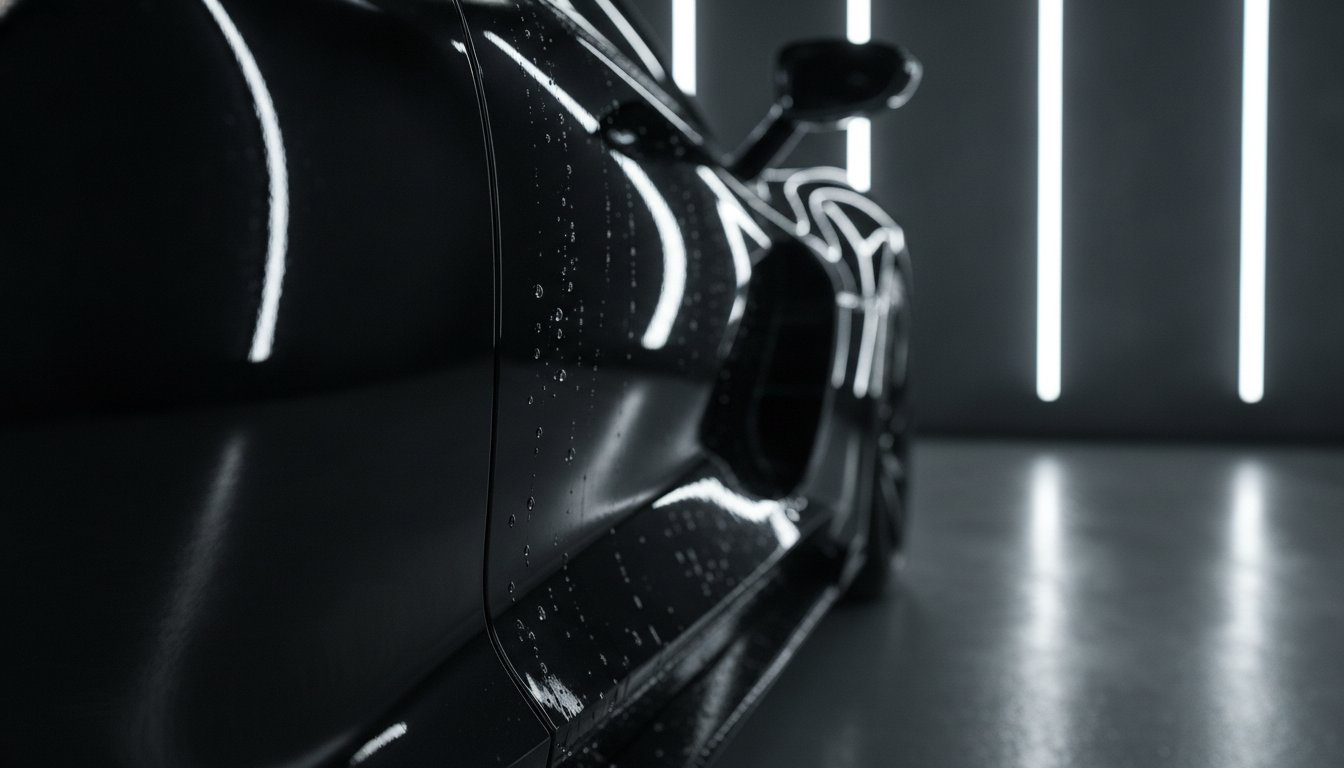
The Meticulous Guide to Ceramic Coating Maintenance: Preserving Your Vehicle’s Elite Finish in 2026
The belief that a professional ceramic coating is a "set and forget" solution is the most expensive misconception in automotive care. While these advanced formulas provide incredible depth and resilience, they are precision instruments that require a dedicated preservation strategy to truly thrive. You likely chose this path to capture a permanent showroom shine, yet the reality of NJ road salt and abrasive environmental fallout can make the first ceramic coating maintenance session feel like a high-stakes gamble. It is completely normal to worry about introducing swirls or using the wrong chemicals on your vehicle's elite finish.
This guide will empower you to master the professional-grade techniques used by elite specialists to keep surfaces flawless, hydrophobic, and vibrant. We will demystify product selection, refine your washing technique, and show you how to protect your vehicle's resale value through meticulous care. From understanding the latest self-healing technologies of 2026 to executing a perfect touchless dry, you are about to transform routine cleaning into a sophisticated ritual of preservation and pride.
Key Takeaways
- Understand the critical 14-day curing window to ensure your coating achieves maximum chemical bonding and surface hardness.
- Adopt a master craftsman’s approach to ceramic coating maintenance by utilizing pH-neutral shampoos and touchless drying techniques to prevent micro-marring.
- Learn specialized strategies to combat New Jersey’s unique environmental threats, including corrosive road brine and abrasive spring pollen.
- Discover how SiO2-infused boosters act as a sacrificial layer to rejuvenate hydrophobic performance and sustain a deep, showroom gloss.
- Identify when to transition from home care to a professional deep decontamination service to preserve the integrity and warranty of your elite finish.
The Critical First 14 Days: Understanding the Ceramic Coating Curing Process
The moment your vehicle leaves our Springfield studio, it carries a liquid glass shield that is still actively evolving. This is the curing period, a sophisticated chemical bonding phase where the liquid SiO2 transforms into a permanent, hardened structure. To appreciate the science behind this resilience, one might ask What is a Ceramic?, as these materials are defined by their incredible hardness, chemical resistance, and stability once they have fully set. For your vehicle, this transition takes approximately 14 days to reach its peak structural integrity and maximum density.
The first 48 hours represent the most vulnerable window for any newly coated vehicle. During this time, the coating is "tack-free" but remains chemically soft. Exposure to heavy moisture, high-alkaline cleaners, or environmental pollutants can disrupt the cross-linking process, which may lead to reduced gloss or a shorter lifespan. If your car is caught in a sudden New Jersey rain shower during this early stage, don't reach for a towel. Instead, use a leaf blower or a dedicated automotive air dryer to remove water without making physical contact. At this stage, mechanical pressure is the primary enemy of a flawless finish.
We advocate for a strict "No-Wash" rule for at least seven to 14 days to ensure the success of your ceramic coating maintenance strategy. While it's tempting to wash away dust, even the softest wash mitt can mar the surface while the coating is still reaching its final hardness. If you encounter an emergency, such as a bird dropping or fresh tree sap, you must act with extreme care. Gently neutralize the spot using a damp, high-GSM microfiber towel and a pH-neutral lubricant. Allow the moisture to break down the contaminant, then lift it away without rubbing or applying pressure.
Environmental Hazards to Avoid During Curing
Lawn sprinklers are a common but overlooked danger in Springfield neighborhoods. Hard water contains heavy minerals that can etch into a fresh, uncured coating, creating permanent spots that are difficult to remove without professional intervention. Parking under trees is equally risky, as falling sap and organic acids can bond to the soft SiO2 layer. If you can't garage the vehicle, choose an open parking area away from foliage and irrigation systems to preserve the purity of the finish.
When is the Coating Fully Safe?
New Jersey’s climate, particularly our varying humidity levels, directly impacts curing speed. High humidity can slow the evaporation of solvents, extending the period where the coating remains susceptible to damage. You'll know the process is complete when the surface develops an extreme, "wet-look" slickness and water beads into tight, uniform spheres that roll off the panels effortlessly. Once the 14-day mark passes, you can confidently transition into a standard ceramic coating maintenance routine, knowing the bond is permanent and the protection is absolute.
The Master Craftsman’s Approach: Safe Washing Techniques for Coated Vehicles
Maintaining an elite finish requires a shift from a cleaning mindset to a preservation-first philosophy. The core of professional ceramic coating maintenance is the reduction of physical friction. Every time you touch your paint, you risk introducing micro-marring or swirl marks that dull the gloss over time. By adopting a "touchless" or "low-touch" approach, you ensure that the liquid-glass shield remains as pristine as the day it was applied. This meticulous process begins with choosing the right environment; always wash your vehicle in a cool, shaded area. Direct sunlight causes water and soaps to flash-dry, leaving behind mineral deposits that can bond to the coating and compromise its clarity.
While understanding ceramic coatings provides the foundation for your protection strategy, the actual execution of the wash determines how long that shield remains effective. The industry gold standard is the "Two-Bucket Method." This system utilizes one bucket for your pH-neutral soap solution and a second bucket of plain water for rinsing your wash mitt. By using grit guards in the bottom of both buckets, you trap abrasive contaminants at the base, preventing them from being reintroduced to the paint. Pair this with high-GSM microfiber mitts and specialized shampoos to create a washing ritual that prioritizes surface integrity above all else.
Step-by-Step: The Professional Wash Routine
Begin with a thorough pre-wash using a foam cannon to blanket the vehicle in a thick layer of pH-neutral suds. This action encapsulates surface dirt and lifts abrasive particles away from the finish, allowing them to be rinsed off without mechanical agitation. When you move to the contact wash, always work from the top of the vehicle down toward the rocker panels. This ensures that the cleanest sections are handled first. Wheels and tires should be addressed with a dedicated set of brushes and buckets, as the heavy brake dust found on NJ roads is far too abrasive to ever come into contact with your paintwork.
Drying Techniques to Eliminate Swirl Marks
Drying is often where the most damage occurs, yet it is the easiest step to optimize. We recommend using forced air or a high-powered leaf blower to remove water from crevices, mirrors, and emblems. This eliminates the need for physical contact on the most sensitive areas. For the remaining flat surfaces, use a "Drying Aid" lubricant during the final wipe-down with a plush microfiber towel. This provides a sacrificial layer of slickness that prevents the towel from dragging. Never use a chamois or old bath towels; these lack the nap required to pull residual dust away from the surface. For those who prefer a professional touch, our specialists at Peotter's Auto Spa provide maintenance washes that adhere to these exact "white-glove" standards.
NJ Seasonal Challenges: Protecting Your Coating from Road Salt and Environmental Fallout
Springfield residents recognize that the changing seasons bring a rotating cast of environmental aggressors. While your coating is incredibly resilient, the specific chemistry of New Jersey’s road treatments and organic fallout requires a proactive approach. Road brine, a liquid mixture of salt and magnesium chloride, is particularly insidious. Unlike traditional rock salt, this brine is designed to stick to surfaces, allowing it to linger in the microscopic pores of your coating. Over time, this buildup can mask the surface, leading to a noticeable drop in hydrophobic performance. This is a common hurdle in ceramic coating maintenance, where the coating isn't failing, but rather becoming "clogged" by a layer of road film.
As the weather warms, spring brings a new set of challenges in the form of heavy pollen and acidic "bee droppings." These yellow, resinous spots are highly acidic and can etch into a finish if left to bake in the sun. During the summer, the intense UV radiation in Union County can stress any unprotected surface. Your ceramic coating acts as a vital UV filter, preserving the depth and clarity achieved during your paint correction union county nj. Without this protective layer, the sun's energy would slowly oxidize the clear coat, leading to a dull, faded appearance that no amount of washing can fix.
Winter Survival for Coated Cars in Springfield
Winter demands an increased wash frequency to prevent salt from bonding to the surface. We recommend a thorough rinse every two weeks, or immediately following a significant snow event once the roads have dried. Undercarriage rinsing is essential during these sessions to remove salt from areas your wash mitt cannot reach. Never resort to a brush-style automatic car wash during the winter months. The abrasive nylon brushes in these facilities are often laden with salt and grit from previous vehicles, which will cause immediate scratching and degrade your coating’s integrity.
Managing Industrial Fallout and Rail Dust
Industrial fallout, often called "rail dust," appears as tiny orange specks that are most visible on white or light-colored vehicles. These are actually iron particles that have embedded themselves on the surface. To address this, use a dedicated iron remover during your ceramic coating maintenance routine. These chemicals react with the iron, turning purple as they dissolve the particles safely. If the surface still feels "gritty" after a chemical decontamination, it may be time to consult a specialist. Attempting to clay-bar a coated car without professional experience can lead to unnecessary marring that requires machine polishing to correct.
Maintaining the Hydrophobic Edge: Boosters, Toppers, and Decontamination
The hallmark of a healthy ceramic finish is its relentless ability to shed water in tight, uniform beads. Over time, environmental exposure can diminish this effect, leading many owners to fear their protection has failed. In reality, the coating is often simply obscured by a layer of bonded contaminants. Successful ceramic coating maintenance relies on understanding how to rejuvenate this hydrophobic edge without compromising the underlying structure. SiO2-infused boosters serve as a sophisticated sacrificial layer, designed to bear the brunt of UV rays and light chemical exposure so your primary coating remains untouched. This preservation strategy ensures the "wet look" gloss stays vibrant for years rather than months.
Finding the correct balance in your maintenance routine is essential for long-term success. Applying toppers too frequently can lead to product buildup, which ironically dulls the very gloss you seek to preserve. A balanced approach typically involves a booster application every three to four months, or after a deep seasonal cleaning. When it comes to decontamination, mechanical methods like clay bars should be avoided whenever possible. Because clay is an abrasive, it can induce micro-marring on the ceramic surface, requiring machine polishing to correct. Chemical decontamination using iron removers or descaling shampoos is the preferred, master craftsman’s method for a safe and effective revival.
Selecting the Right Maintenance Products
Precision in product selection is what separates an enthusiast from a master. You should always opt for ceramic-safe soaps that are free of waxes or heavy gloss enhancers. Carnauba waxes are particularly detrimental to high-end coatings; they create a greasy film that masks the coating’s hydrophobic properties and actually attracts more dust. Silica sprays play a pivotal role in extending the life of your ceramic coating springfield nj by reinforcing the lattice structure of the SiO2 layer. These sprays provide an immediate boost in slickness and water-shedding performance without the risk of heavy buildup.
The 'Clogged' Coating: How to Revive Hydrophobicity
If water begins to "flat" or pool on your panels, your coating is likely suffering from mineral or surfactant buildup. Clogging is the accumulation of surfactants or minerals that mask the coating’s properties. This is common in areas with hard water or after using "wash and wax" soaps that leave behind undesirable residues. To restore the surface, use a specialized descaling shampoo during your wash ritual to safely dissolve these mineral deposits. If your vehicle’s gloss has begun to fade despite these efforts, our specialists can perform a professional revival and inspection at Peotter's Auto Spa to ensure your investment remains flawless.
Professional Maintenance at Peotter's Auto Spa: Beyond the Driveway Wash
While the rituals of home care are the lifeblood of a vehicle's appearance, professional ceramic coating maintenance serves as the essential safeguard for your investment. Many owners assume that a driveway wash is sufficient to maintain their warranty, but most high-end coating manufacturers require a documented annual inspection to remain valid. This visit is not merely a car wash. It is a comprehensive health check for your vehicle's finish. Our specialists use this time to identify early signs of coating thinning or micro-marring that are invisible to the untrained eye under standard sunlight. By catching these minor imperfections early, we can perform targeted corrections that prevent the need for a full re-application in the future.
A critical component of this professional service is the "Top Coat Refresh." For those who have invested in our ppf and ceramic coating package nj, this step is vital. It ensures that the transition lines between the film and the coating remain seamless and that the gloss levels stay uniform across every panel. This professional intervention moves beyond simple cleaning into the realm of chemical restoration. It ensures your vehicle retains that aspirational showroom glow that initially drew you to ceramic protection while reinforcing the hydrophobic properties that make daily driving so much more enjoyable.
What Happens During a Professional Maintenance Visit?
Our maintenance protocol begins with a multi-stage chemical decontamination that far exceeds the capabilities of consumer-grade products. We use specialized surfactants to strip away the stubborn road film and mineral deposits that accumulate over a year of NJ driving. Once the surface is chemically pure, we conduct a high-intensity lighting inspection. Using an array of specialized LED lamps, we can see the true state of the coating and address any areas of concern before they become permanent. The process concludes with the application of professional-grade ceramic reloaders. These are high-concentration silica formulas not available to the general public, providing a level of slickness and durability that home boosters simply cannot match.
The Peotter’s Auto Spa Guarantee
Since 1994, our family-owned facility in Springfield has been dedicated to the art of luxury automotive restoration. This history informs every preservation technique we employ, blending time-honored craftsmanship with the latest 2026 coating technologies. Beyond the immediate visual transformation, a professional service record at Peotter's Auto Spa acts as a guardian for your vehicle’s resale value. Having a documented history of elite care can be a significant advantage on a vehicle history report, signaling to future buyers that the car has been maintained to the highest standards. To ensure your finish remains flawless, schedule your professional ceramic coating inspection at Peotter's Auto Spa today.
Secure the Future of Your Vehicle’s Brilliance
Mastering the art of ceramic coating maintenance ensures that your car remains a testament to automotive excellence long after the initial application. By respecting the critical curing window and adopting a low-friction washing ritual, you protect the structural integrity of the SiO2 layer. Addressing New Jersey’s seasonal brine and environmental fallout promptly prevents the "clogging" that can dim your vehicle's gloss. These meticulous habits, paired with high-quality boosters, transform simple cleaning into a sophisticated preservation strategy that pays dividends in both aesthetics and resale value.
While home care is vital, the deepest level of protection comes from a professional eye. At Peotter’s Auto Spa, we bring a 30-year track record of white-glove service to every vehicle that enters our specialized Springfield facility. We provide the expert decontamination and high-intensity inspections required to keep your finish in showroom condition for years to come. Book Your Professional Ceramic Maintenance Service in Springfield to experience the peace of mind that comes with elite-level craftsmanship. Your vehicle is a significant investment; let's ensure it stays flawless together.
Frequently Asked Questions
Can I take my ceramic coated car through an automatic car wash?
You should avoid brush-style automatic car washes entirely to preserve your vehicle's elite finish. These systems use abrasive nylon bristles that trap grit from previous vehicles, which will inevitably induce swirl marks and marring on your coating. If a hand wash isn't possible, a touchless automatic wash is a safer alternative, though it lacks the meticulous precision of a master craftsman's hand wash.
How often should I wash my car after it has been ceramic coated?
We recommend a thorough wash every one to two weeks to ensure optimal ceramic coating maintenance. Regular cleaning prevents environmental contaminants like pollen and industrial fallout from bonding to the surface. In Springfield, you may need to increase this frequency during the winter months to remove corrosive road salt and brine before they can mask the coating's hydrophobic performance.
Do I ever need to wax my car again once it is coated?
You don't ever need to apply traditional carnauba waxes to a ceramic coated vehicle. Traditional waxes don't bond effectively to the slick SiO2 surface and can actually create a greasy film that traps dust and masks the coating's properties. Instead, use a dedicated ceramic booster or silica spray to rejuvenate the gloss and reinforce the existing protective layer without compromising its surface tension.
What should I do if I see water spots on my ceramic coating?
You should address water spots immediately using a specialized mineral remover or a mild acidic solution designed for automotive finishes. These spots occur when hard water evaporates and leaves behind mineral deposits that can etch the coating if left in direct sunlight. Gently apply the remover with a plush microfiber towel and rinse thoroughly. Never attempt to scrub these spots away, as mechanical agitation can damage the finish.
Is it safe to use a pressure washer on a ceramic coated vehicle?
It's perfectly safe to use a pressure washer as long as you maintain a reasonable distance and use a wide-angle nozzle. Keep the pressure below 2,000 PSI and stay at least 12 to 18 inches away from the surface at all times. This technique is highly effective for pre-rinsing and removing heavy debris without the need for physical contact, which is a cornerstone of elite vehicle preservation.
Can I use a clay bar on my ceramic coating if it feels rough?
You should rarely use a clay bar on a coated car because it is an abrasive tool that can induce micro-marring on the ceramic layer. If your paint feels rough, it's likely due to bonded iron or mineral deposits that require chemical decontamination rather than mechanical abrasion. If chemical treatments don't restore the smoothness, it is time to consult a specialist for a professional surface revival.
How do I know if my ceramic coating has worn off?
The primary indicator that a coating is reaching the end of its lifespan is a significant loss of water beading and surface slickness. If water begins to pool or "sheet" slowly on the panels even after a deep decontamination wash, the protection may be thinning. A noticeable decrease in the "wet-look" depth and gloss also suggests that it's time for a professional inspection or a top-coat refresh.
What is the best soap to use for ceramic coating maintenance?
The best soap for ceramic coating maintenance is a high-lubricity, pH-neutral shampoo that is free of waxes, silicones, and heavy gloss enhancers. These additives can leave behind a residue that masks the coating’s natural hydrophobic properties and attracts more dirt. Look for a "pure" soap that focuses on safely lifting road film while rinsing clean to reveal the underlying brilliance of the ceramic layer.